












Badkhal Flyover, Sector 21A,Asian Hospital, Faridabad, Haryana 121001

Need help?

+91 92533 75460

Banner 1
Banner 2
Banner 3
About Thumb

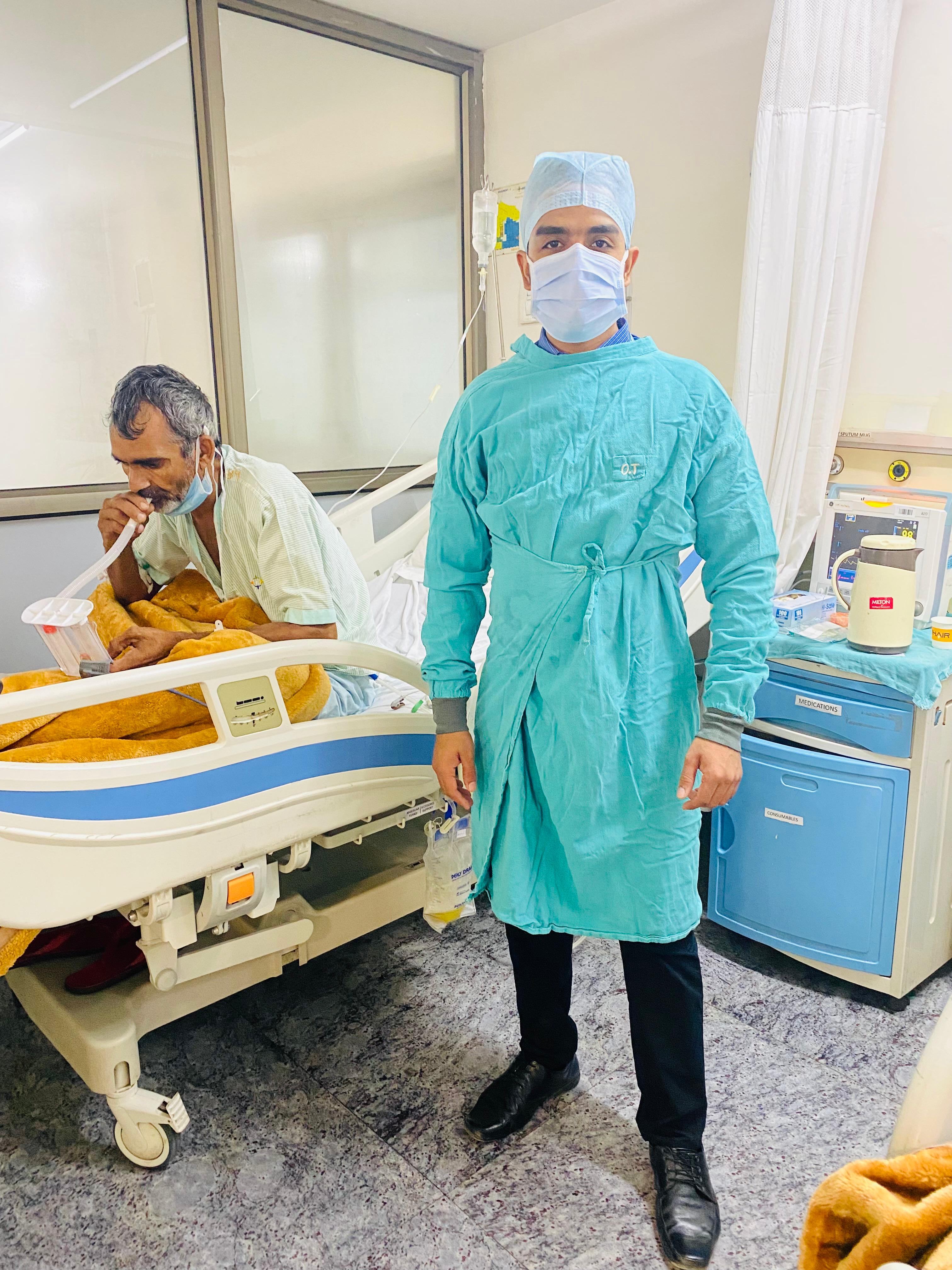
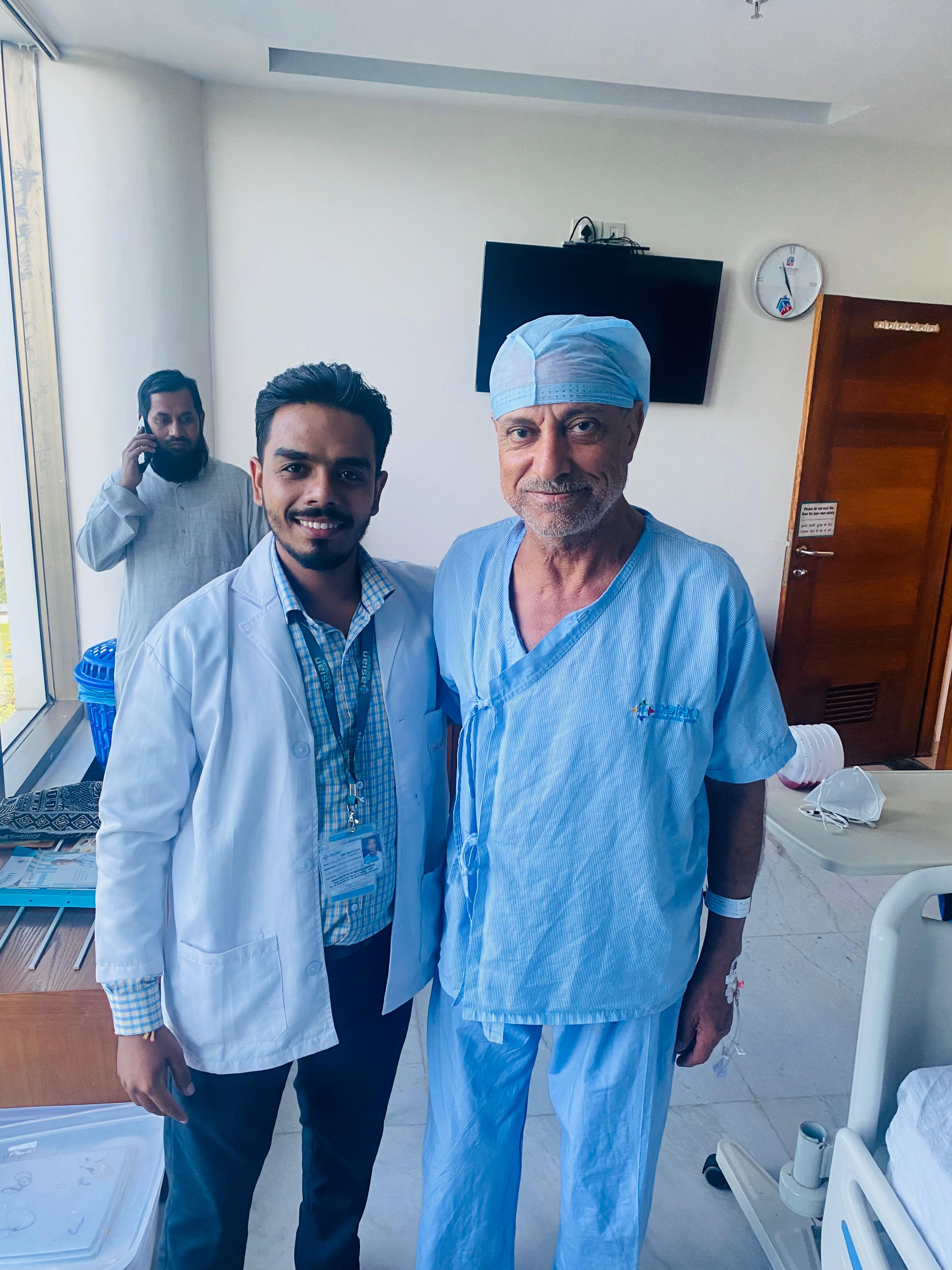
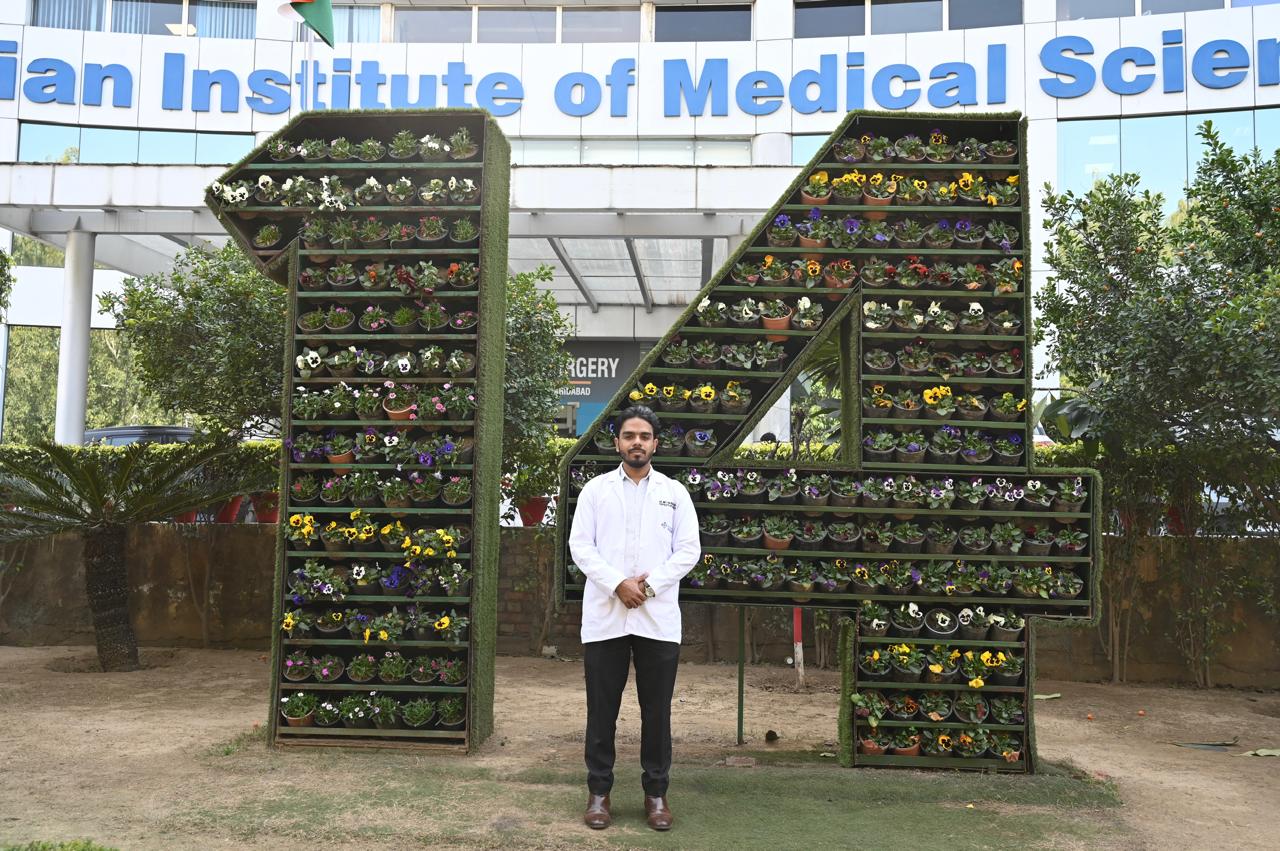
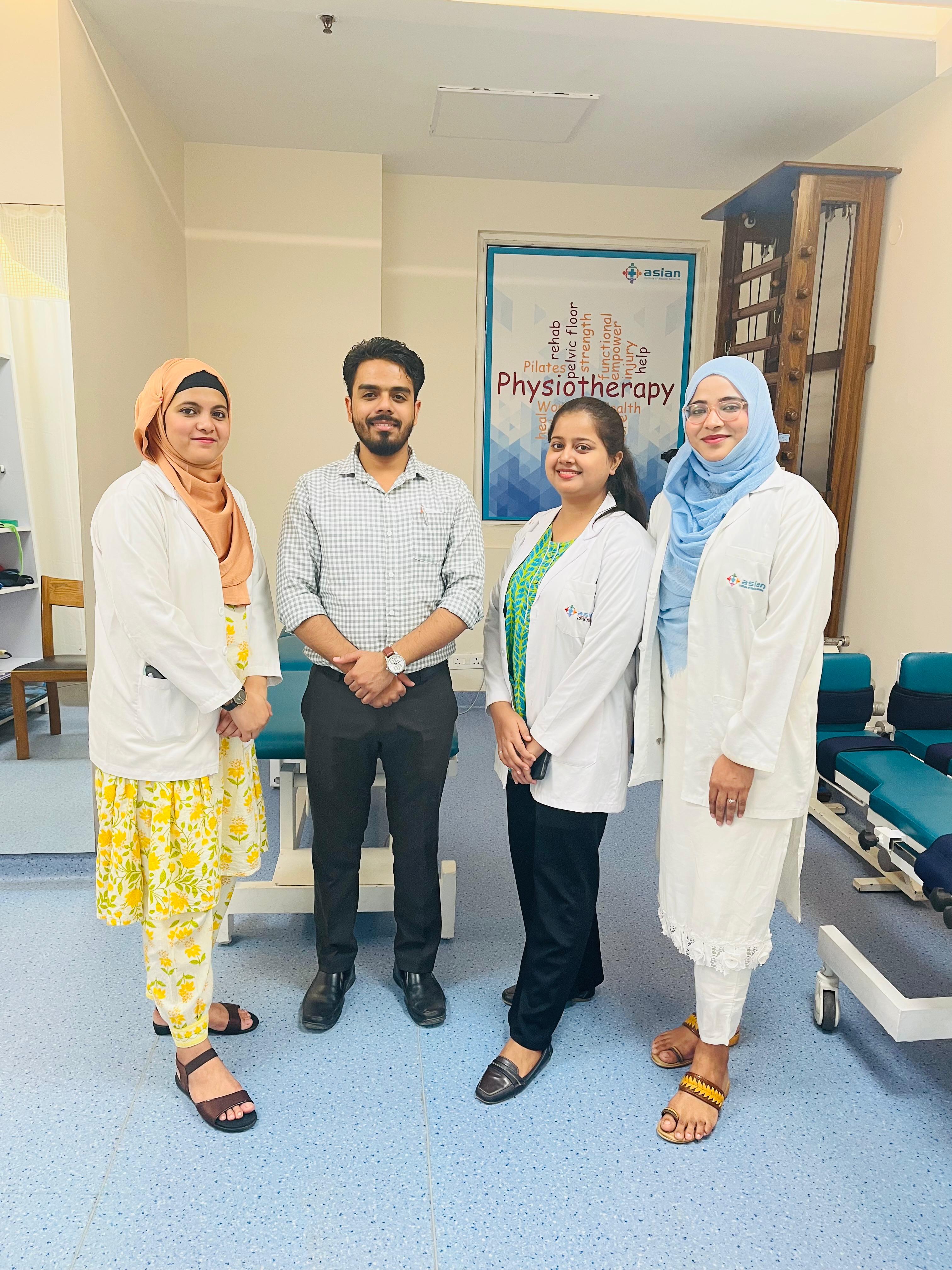
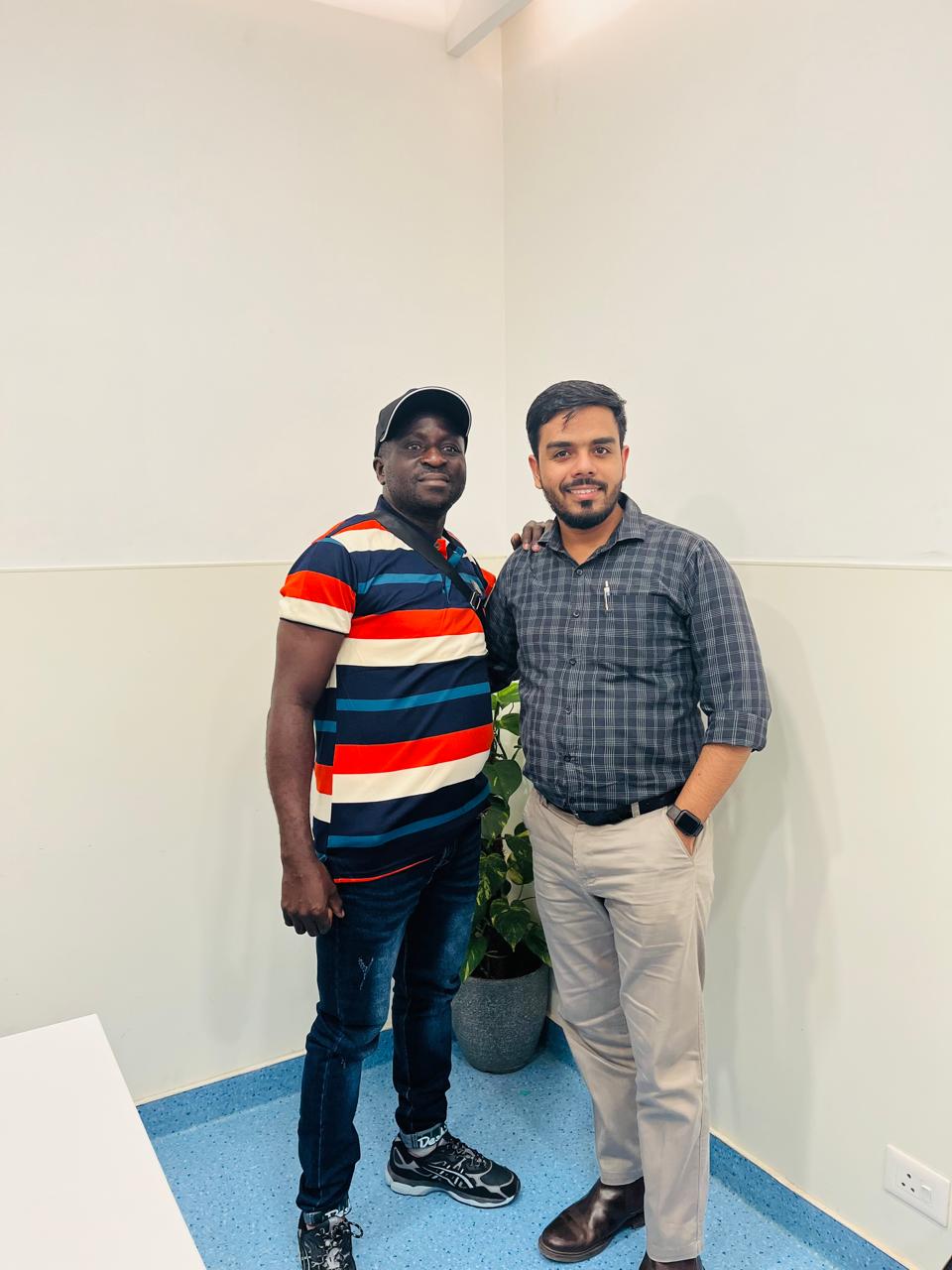
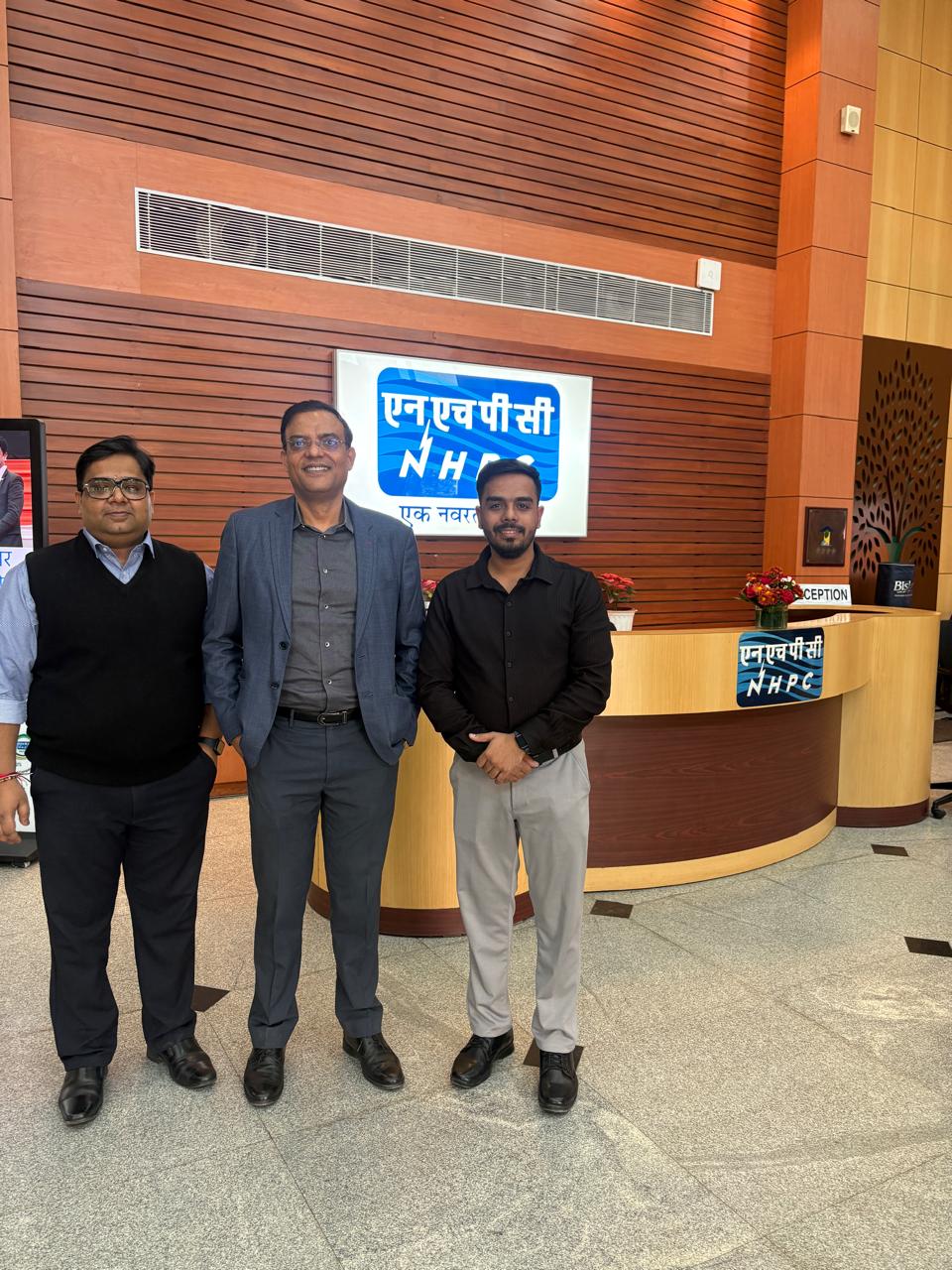
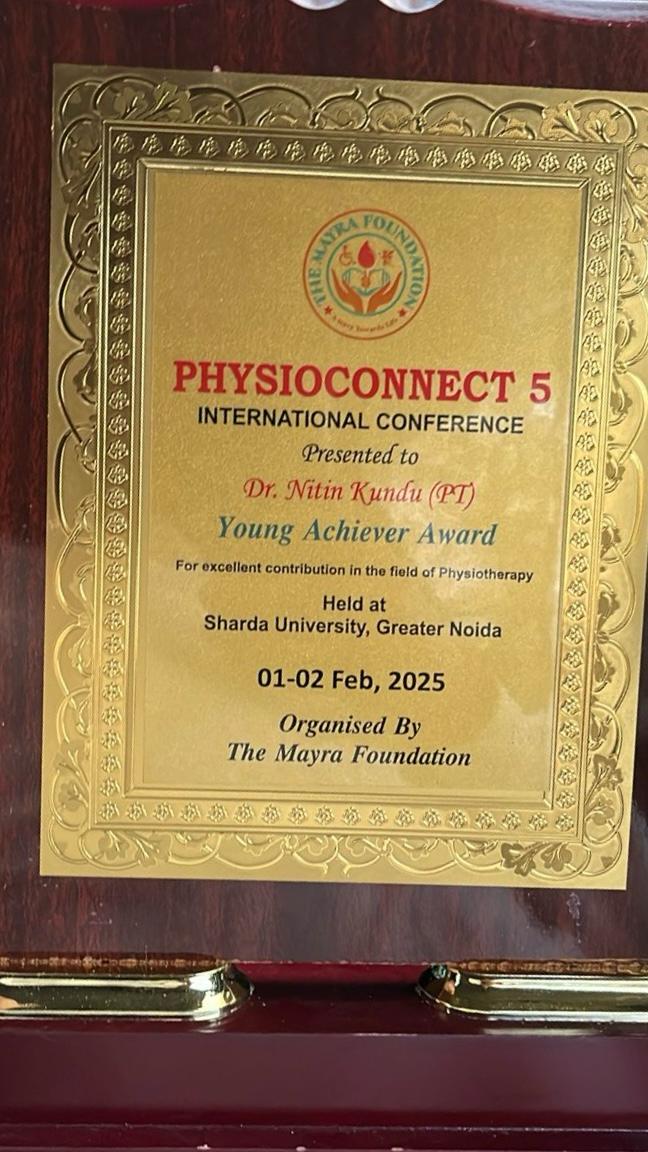
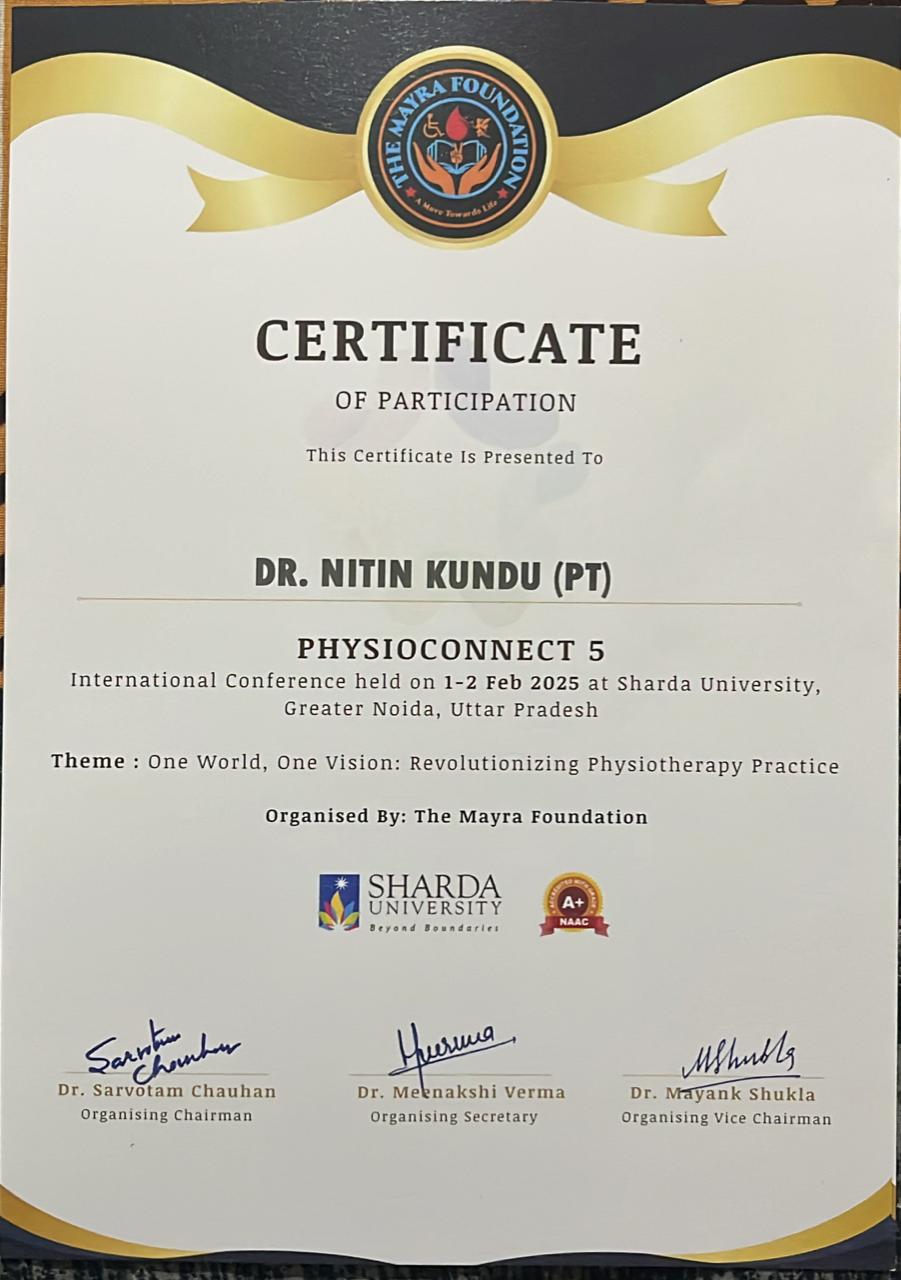
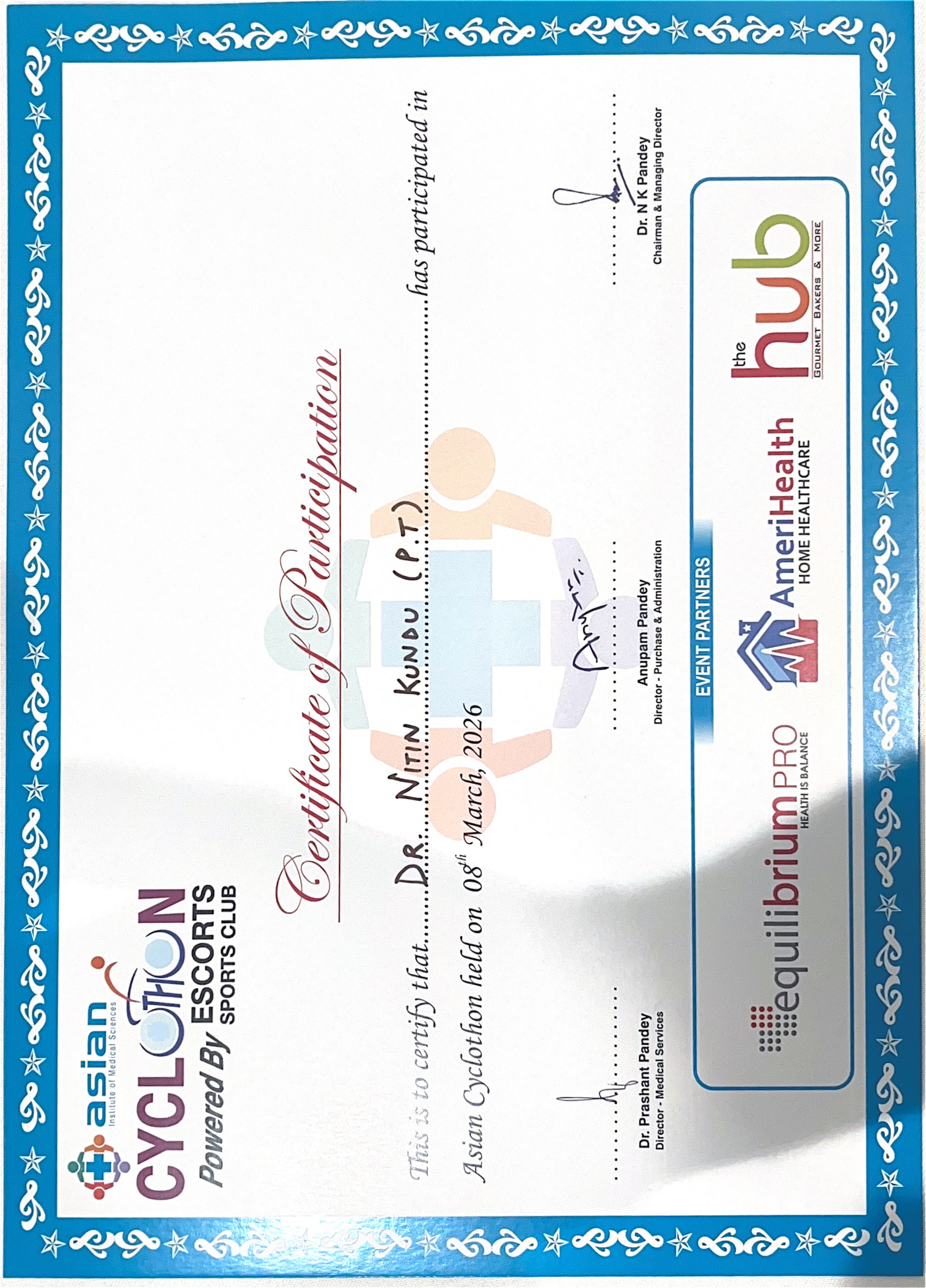
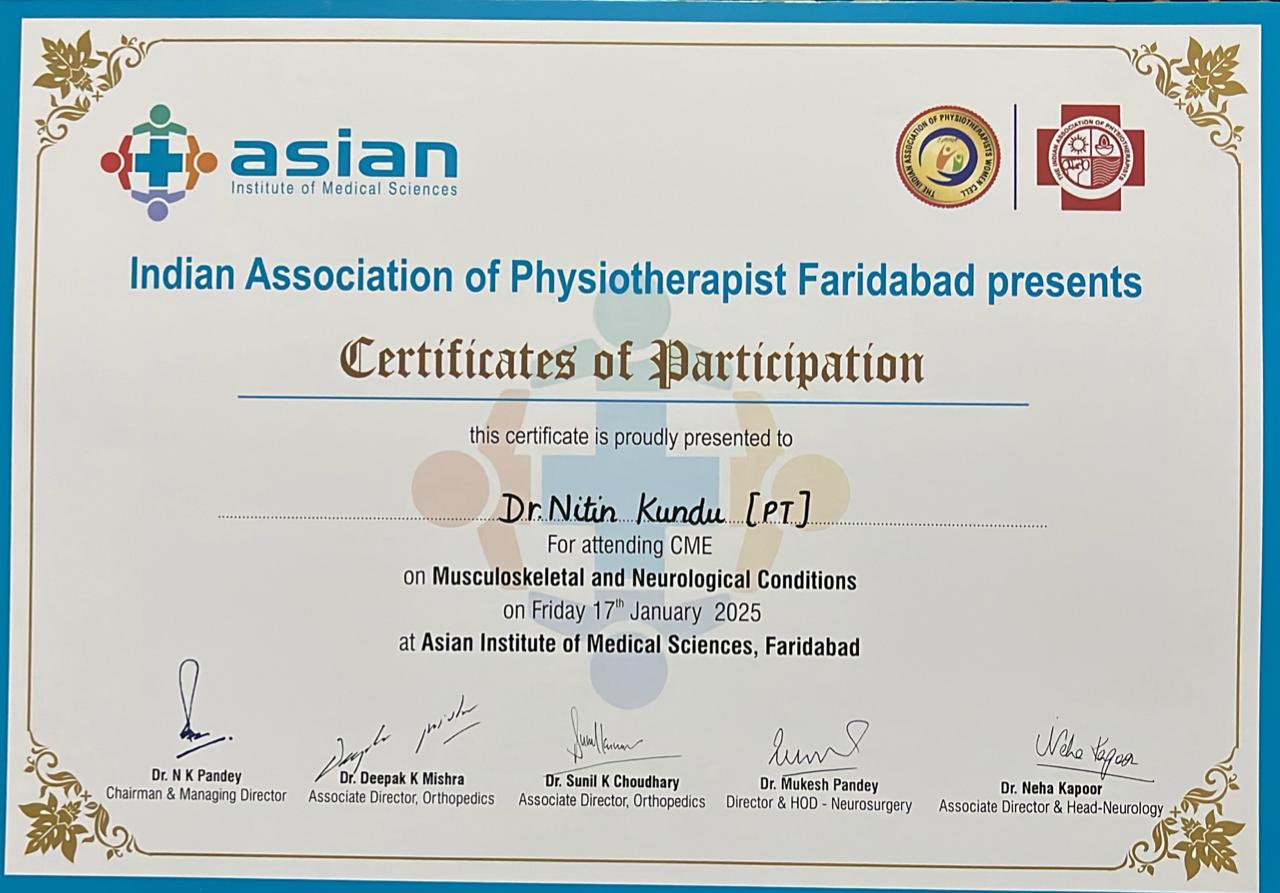
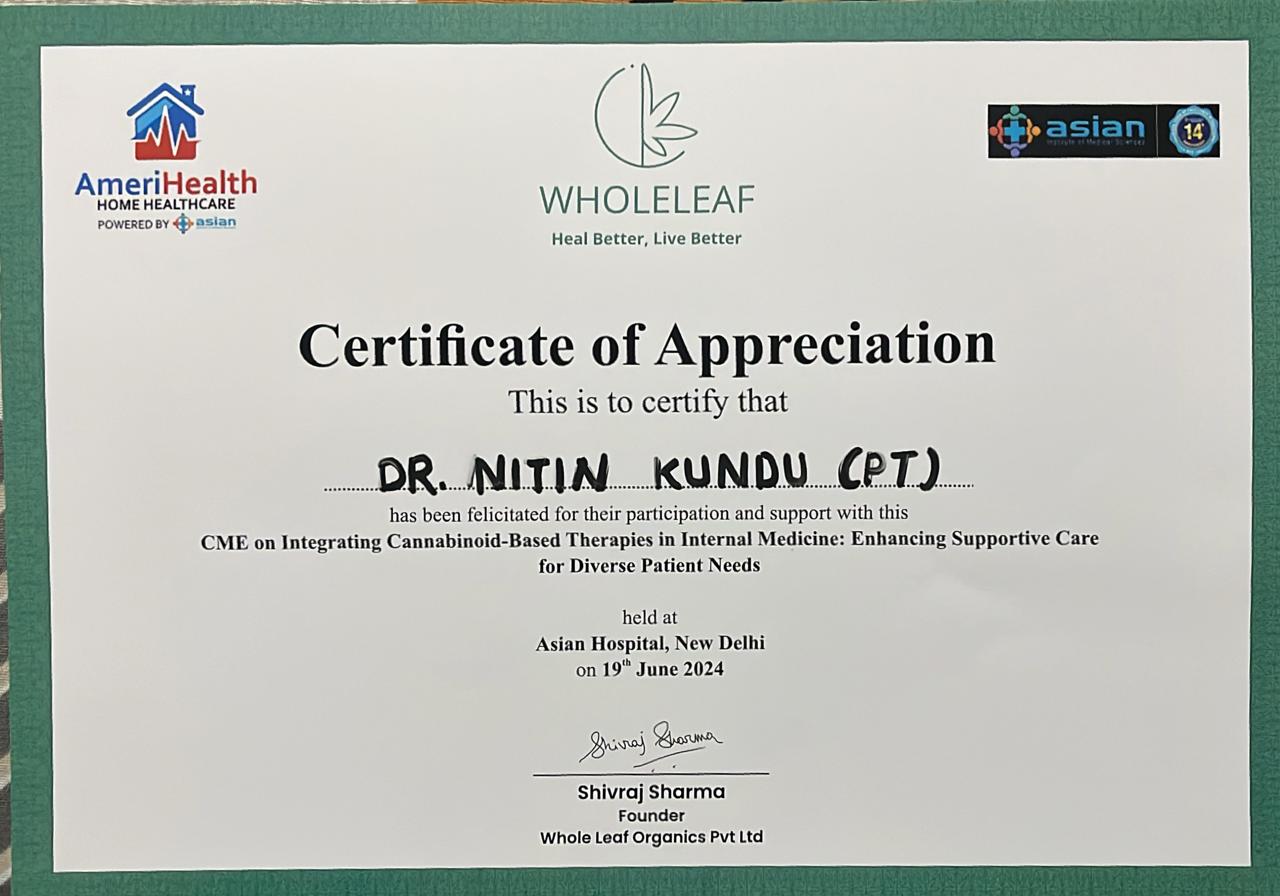
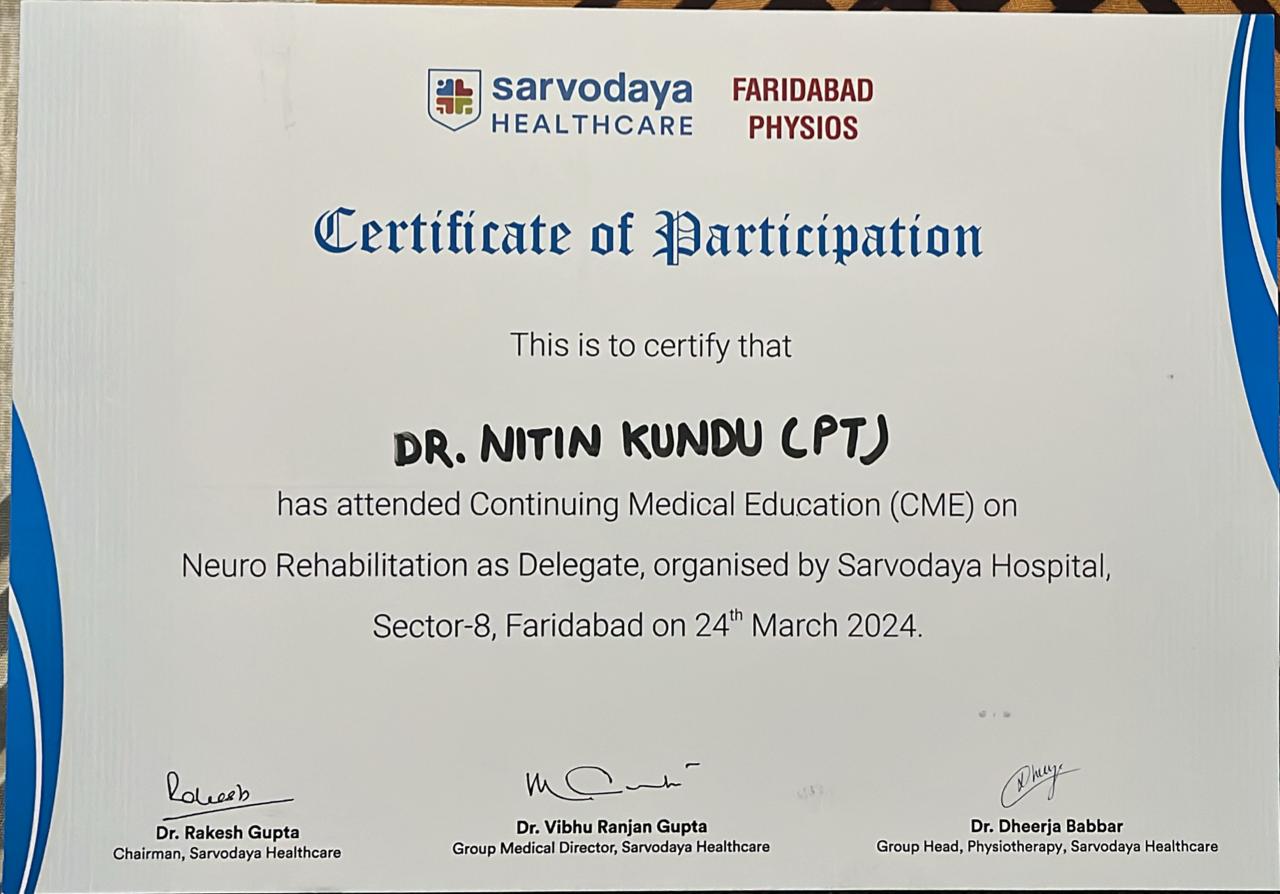
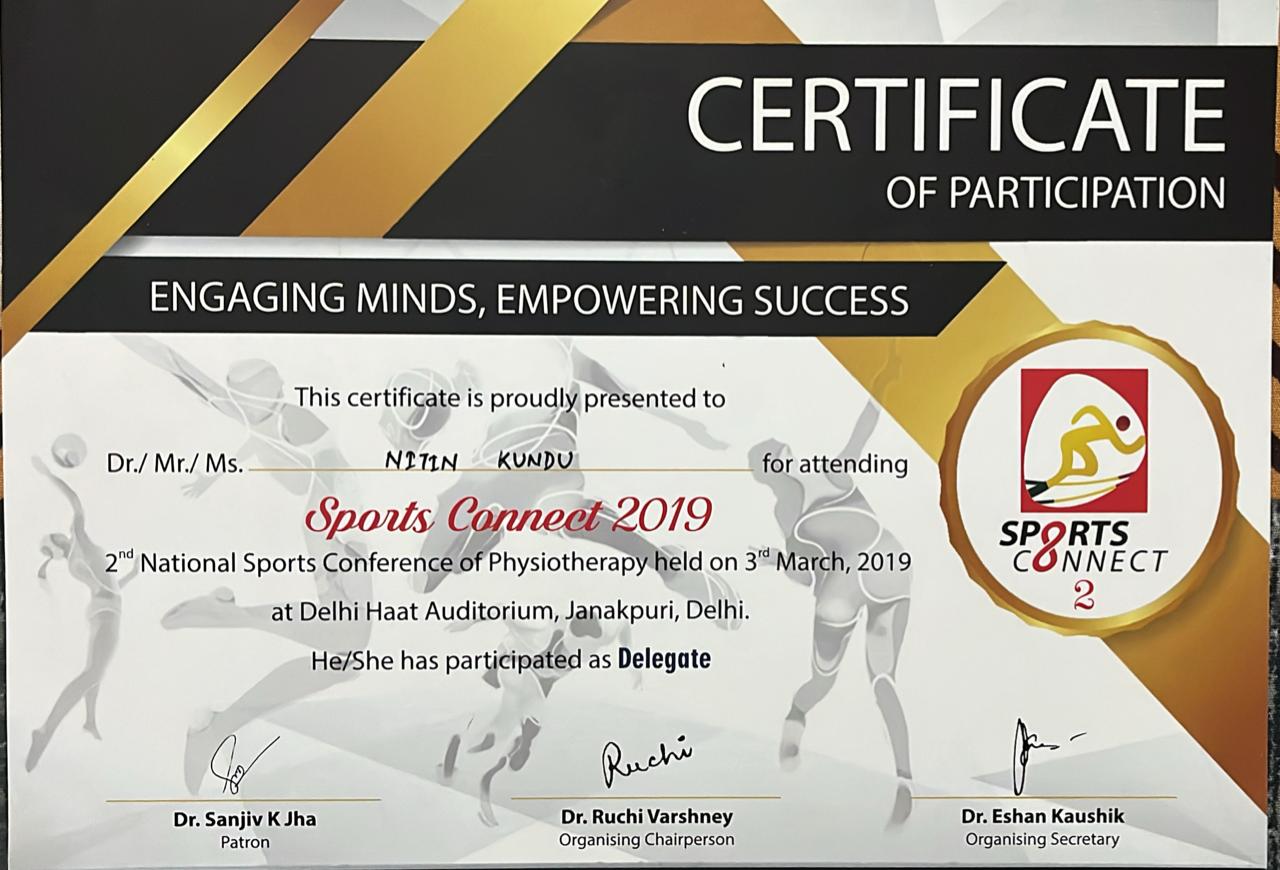
About Dr. Nitin Kundu

(6+ Year of Experience)

Dedicated to Restoring Mobility, Rebuilding Confidence, and Enhancing Quality of Life Through Advanced Physiotherapy Care

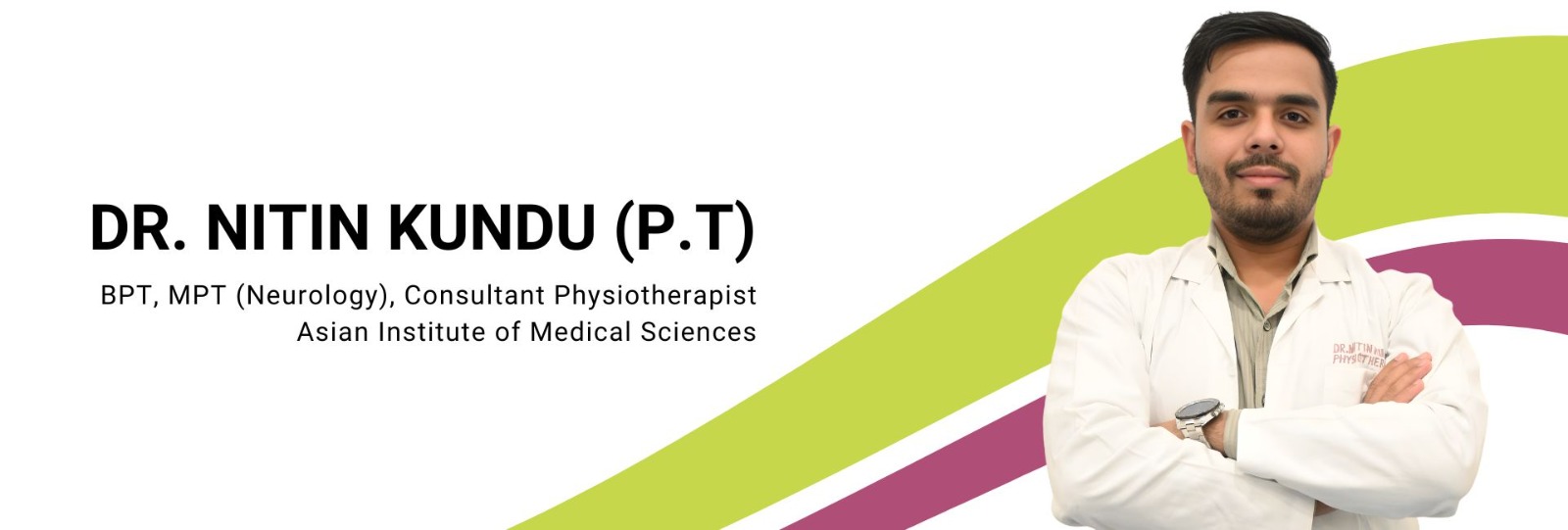
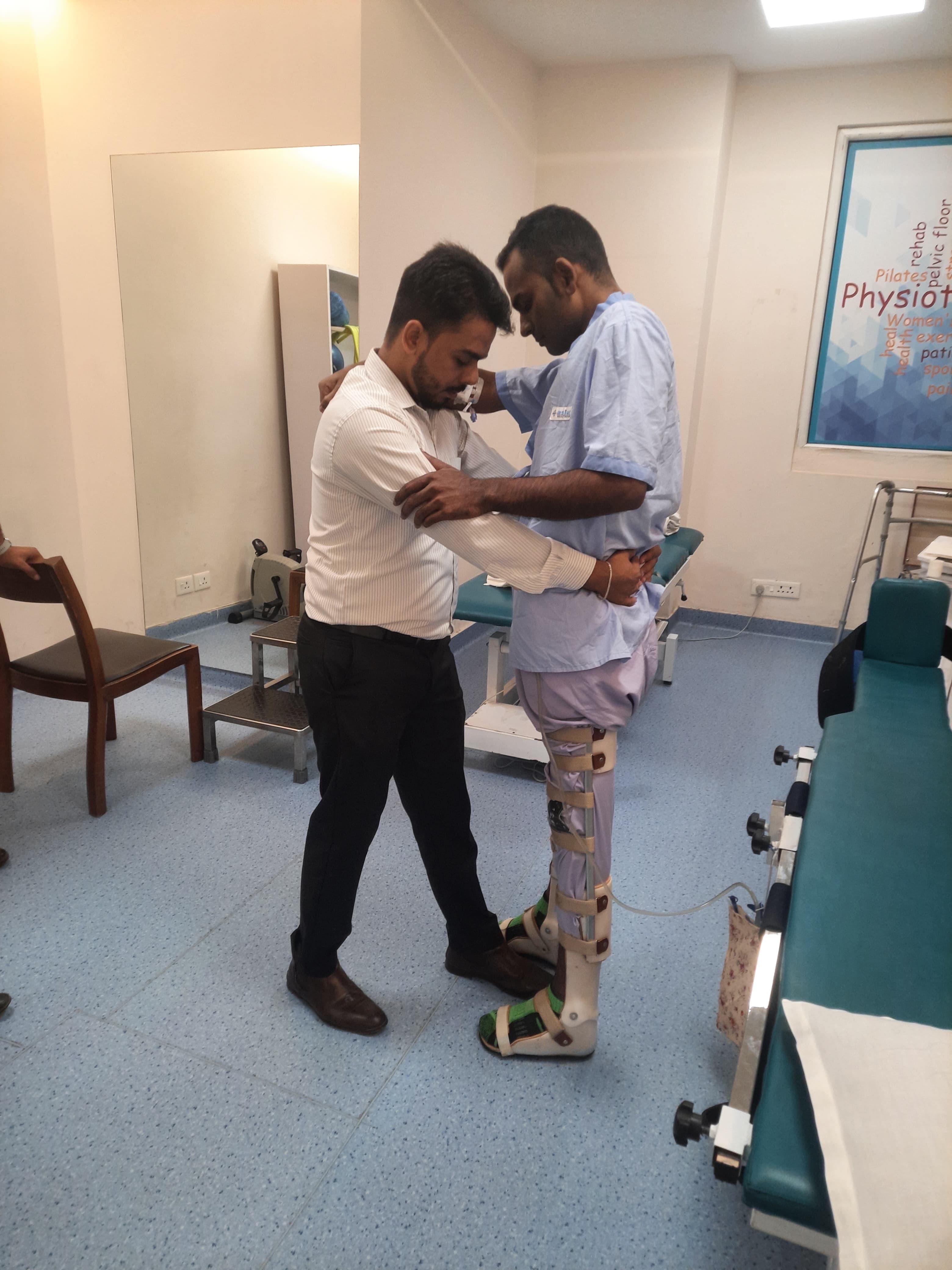
Dr. Nitin Kundu (P.T), BPT, MPT (Neurology), is a highly skilled and experienced Consultant Physiotherapist at the Asian Institute of Medical Sciences, dedicated to helping patients regain strength, mobility, and independence. With a deep understanding of Neurological Rehabilitation and Neuro Physiotherapy care, Dr. Kundu provides comprehensive rehabilitation for conditions such as stroke, Parkinson’s disease, spinal cord injuries, traumatic brain injury, Multiple Sclerosis, and Neuropathy. His patient-focused approach emphasizes recovery, confidence, and long-term well-being, helping individuals lead more active and fulfilling lives.
Registration no. HSCP/PT/2022/1430

Explore a wide range of physiotherapy services designed to restore movement, relieve pain, and improve quality of life.

  • Neurological Conditions Therapy
  • Orthopaedic Conditions Therapy
  • Geriatric Conditions Therapy
  • Sports Conditions Therapy
  • Manual And Mobilization Techniques Therapy
  • NDT Therapy
  • Chiropractic Therapy
  • Post Surgery Rehabilitation Therapy
  • Dry Needling Therapy

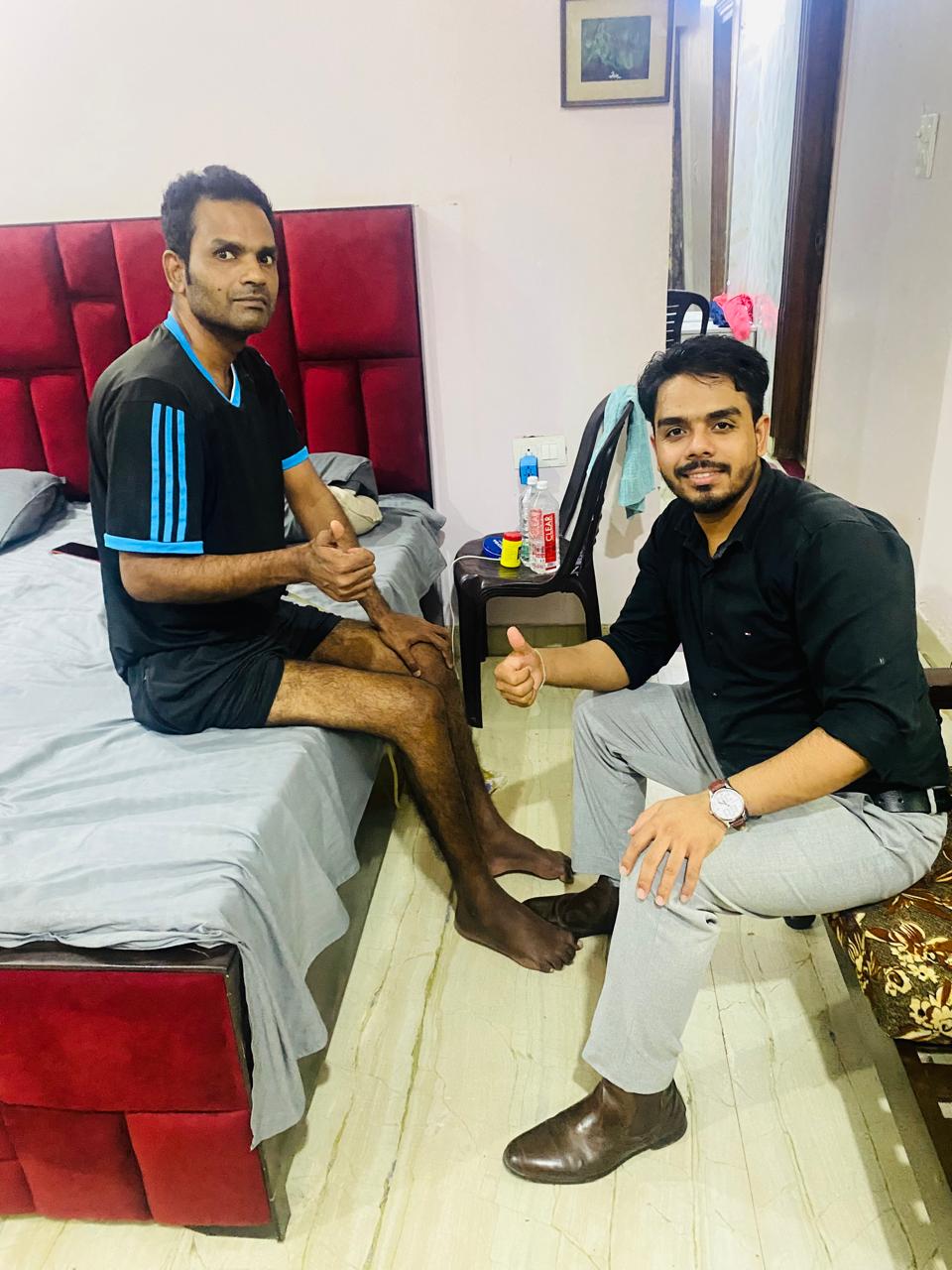
Home Visit Physiotherapy Available

+91 92533 75460

Our Services

Comprehensive physiotherapy
solutions under one roof.


Click on the services below to know more

Neurological Conditions

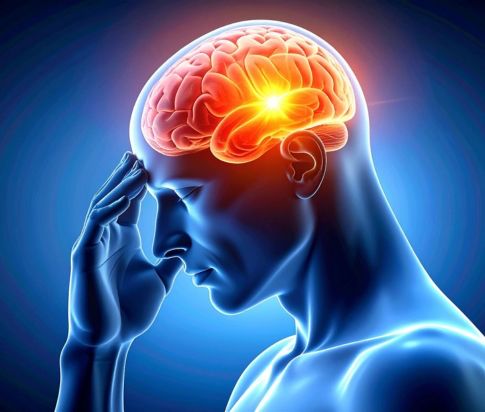
Physiotherapy plays a vital role in improving movement, balance, and daily function for patients with neurological disorders. At our clinic, we provide specialized rehabilitation for conditions such as stroke, Parkinson’s disease, spinal cord injuries, multiple sclerosis, and peripheral neuropathies. Our focus is on retraining the nervous system through targeted exercises, balance training, and functional re-education to help patients regain independence and enhance their overall quality of life.

Here’s how physiotherapy helps manage neurological conditions:

  • Icon Improves Mobility
  • Icon Enhances Balance & Coordination
  • Icon Strengthens Muscles
  • Icon Promotes Neuroplasticity
  • Icon Boosts Independence
  • Icon Improves Quality of Life

Comprehensive Care for Neurological Conditions:

  • Icon Stroke (Cerebrovascular Accident – CVA)
  • Icon Parkinson’s Disease
  • Icon Multiple Sclerosis (MS)
  • Icon Cerebral Palsy (CP)
  • Icon Spinal Cord Injury (SCI)
  • Icon Traumatic Brain Injury (TBI)
  • Icon Guillain-Barré Syndrome (GBS)
  • Icon Amyotrophic Lateral Sclerosis (ALS)
  • Icon Peripheral Neuropathy
  • Icon Bell’s Palsy
  • Icon Post-Neurosurgery Rehabilitation
  • Icon Vertigo & Vestibular Disorders
  • Icon Facial Paralysis
  • Icon Nerve Compression Syndromes (e.g., Sciatica, Carpal Tunnel)
Department Image

Orthopaedic Conditions

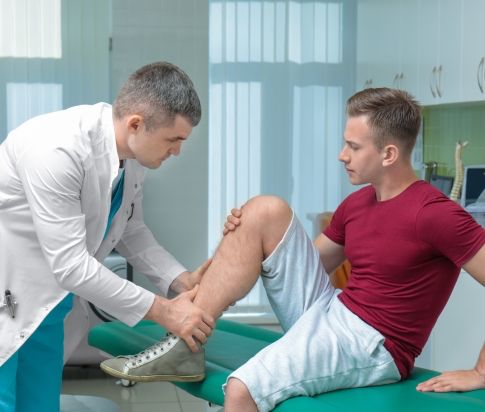
Orthopaedic physiotherapy focuses on restoring strength, flexibility, and mobility after bone, joint, or muscle injuries. Whether you’re recovering from a fracture, joint replacement, sports injury, or dealing with chronic pain, physiotherapy helps you regain normal movement and function safely. Through manual therapy, exercise programs, and posture correction, our goal is to relieve pain, prevent stiffness, and promote long-term recovery.

Key Benefits

  • Icon Pain relief
  • Icon Better joint movement
  • Icon Stronger muscles
  • Icon Faster recovery
  • Icon Improved posture
  • Icon Injury prevention


Expert Physiotherapy for Orthopaedic Problems

  • Icon Osteoarthritis (Knee, Hip, Shoulder)
  • Icon Back Pain & Slip Disc
  • Icon Neck Pain (Cervical Issues)
  • Icon Frozen Shoulder
  • Icon Ligament Injuries (ACL/MCL)
  • Icon Rotator Cuff & Shoulder Injuries
  • Icon Tennis Elbow
  • Icon Ankle Sprain
  • Icon Post-Fracture Rehabilitation
Department Image

Geriatric Conditions

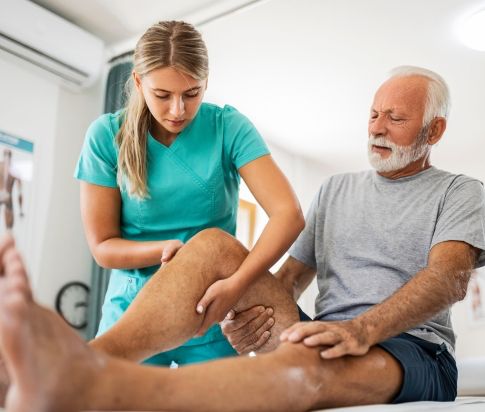
Geriatric physiotherapy focuses on helping elderly individuals maintain their physical independence, manage pain, and improve mobility. With age, issues like joint stiffness, muscle weakness, and balance problems become common — physiotherapy plays a vital role in addressing these challenges. Through customized exercises and rehabilitation techniques, it enhances strength, posture, and overall quality of life for seniors.

Key Benefits:

  • Icon Improves balance
  • Icon Reduces joint pain
  • Icon Enhances mobility
  • Icon Builds muscle strength
  • Icon Prevents falls
  • Icon Promotes independence


Major Geriatric Conditions We Treat:

  • Icon Osteoarthritis & Joint Pain
  • Icon Balance Problems & Frequent Falls
  • Icon Post-Fracture Weakness
  • Icon Parkinson’s Age-Related Issues
  • Icon Post-Surgery Rehabilitation (Knee/Hip)
  • Icon General Weakness & Mobility Decline
  • Icon Back & Neck Pain in Elderly
Department Image

Sports Conditions

Sports physiotherapy focuses on preventing, diagnosing, and treating injuries that occur during physical activity or sports performance. It helps athletes and fitness enthusiasts recover safely, regain strength, and return to their game stronger than before. With targeted exercises and advanced rehabilitation methods, it improves flexibility, coordination, and endurance while reducing the risk of future injuries.

Key Benefits

  • Icon Speeds up recovery
  • Icon Prevents re-injury
  • Icon Improves flexibility
  • Icon Boosts performance
  • Icon Reduces pain
  • Icon Enhances strength

Major Sports Injuries We Treat

  • Icon ACL / Ligament Injuries
  • Icon Meniscus Injury
  • Icon Shoulder Impingement / Rotator Cuff Injury
  • Icon Tennis Elbow / Golfer’s Elbow
  • Icon Ankle Sprain
  • Icon Muscle Strain & Muscle Tear
  • Icon Shin Splints
Department Image

Manual And Mobilization Techniques

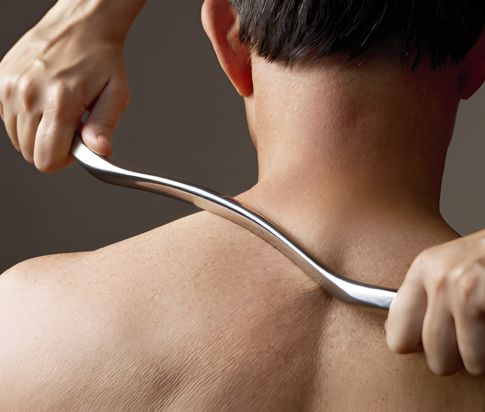
Manual and mobilization techniques involve hands-on therapy that helps restore joint movement, relieve muscle tension, and improve overall flexibility. These techniques are used to reduce pain, increase blood flow, and promote faster healing of injured tissues. By gently mobilizing joints and soft tissues, physiotherapists help restore natural motion and enhance functional recovery.

Key Benefits:

  • Icon Relieves pain
  • Icon Restores joint mobility
  • Icon Reduces muscle tightness
  • Icon Improves flexibility
  • Icon Enhances circulation
  • Icon Promotes faster healing

Advanced Manual & Mobilization Techniques

  • Icon Joint Mobilization
  • Icon Soft Tissue Mobilization
  • Icon Myofascial Release
  • Icon Muscle Energy Technique (MET)
  • Icon Trigger Point Release
  • Icon Mulligan Mobilization (MWM)
  • Icon PNF Stretching
  • Icon Traction & Distraction Techniques
Department Image

Neurodevelopmental Therapy (NDT)

Neurodevelopmental Therapy (NDT) focuses on improving movement, posture, and coordination in individuals with neurological disorders or developmental delays. It helps retrain the brain and body to work together through guided exercises and functional activities. NDT is commonly used for conditions like cerebral palsy, stroke, or brain injury, promoting better control and independence in daily life.

Key Benefits:

  • Icon Improves motor control
  • Icon Enhances posture
  • Icon Increases coordination
  • Icon Boosts functional movement
  • Icon Promotes independence
  • Icon Supports brain-body connection


Specialized Neurodevelopmental Therapy (NDT)

  • Icon Cerebral Palsy (CP)
  • Icon Developmental Delay
  • Icon Stroke (Hemiplegia / Hemiparesis)
  • Icon Traumatic Brain Injury (TBI)
  • Icon Spasticity & Abnormal Muscle Tone
  • Icon Balance & Coordination Problems
  • Icon Motor Control Disorders
Department Image

Chiropractic Care

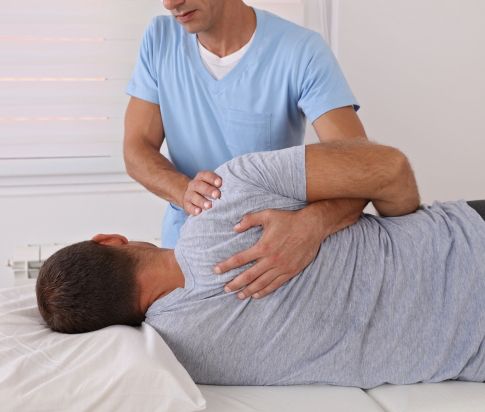
Chiropractic care focuses on diagnosing and treating problems related to the spine, joints, and nervous system. It helps relieve pain, improve posture, and restore body alignment through precise manual adjustments. This therapy is highly effective for back pain, neck stiffness, headaches, and joint discomfort, promoting natural healing without medication or surgery.

Key Benefits

  • Icon Relieves back and neck pain
  • Icon Improves spinal alignment
  • Icon Reduces muscle tension
  • Icon Enhances posture
  • Icon Boosts mobility
  • Icon Promotes overall wellness

Main Conditions We Treat with Chiropractic Care

  • Icon Back Pain & Slip Disc
  • Icon Neck Pain (Cervical Issues)
  • Icon Sciatica
  • Icon Shoulder & Upper Back Stiffness
  • Icon Joint Restrictions & Misalignments
  • Icon Headache Due to Cervical Dysfunction
Department Image

Post Surgery Rehabilitation

Post-surgery rehabilitation helps patients recover safely and regain strength, flexibility, and function after an operation. It plays a crucial role in reducing pain, improving mobility, and preventing complications like stiffness or muscle weakness. Through guided exercises and personalized care, physiotherapy ensures a smooth and faster recovery process, helping you return to your normal activities with confidence.

Key Benefits

  • Icon Speeds up recovery
  • Icon Reduces post-surgical pain
  • Icon Restores strength and mobility
  • Icon Prevents stiffness and weakness
  • Icon Improves balance and coordination
  • Icon Enhances overall healing


Post-Surgery Conditions We Treat

  • Icon Post Knee Replacement (TKR)
  • Icon Post Hip Replacement (THR)
  • Icon Post ACL / Ligament Surgery
  • Icon Post Spine Surgery
  • Icon Post Fracture Surgery
  • Icon Post Shoulder Surgery (Rotator Cuff / Dislocation)
Department Image

Dry Needling

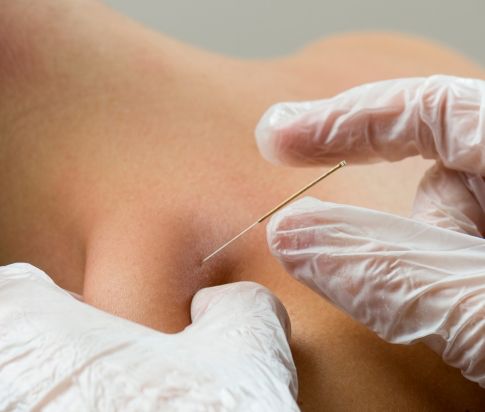
Dry needling is a modern physiotherapy technique used to relieve muscle pain, tightness, and trigger points. Fine, sterile needles are inserted into specific areas of the muscle to release tension, improve blood flow, and promote natural healing. It’s an effective treatment for chronic pain, sports injuries, and muscle stiffness, helping restore normal movement and flexibility.

Key Benefits

  • Icon Relieves muscle tension
  • Icon Reduces pain and stiffness
  • Icon Improves blood circulation
  • Icon Enhances range of motion
  • Icon Speeds up recovery
  • Icon Promotes natural healing


Dry Needling — Conditions We Treat

  • Icon Trigger Points / Muscle Knots
  • Icon Neck & Shoulder Pain
  • Icon Back Pain & Sciatica
  • Icon Tennis Elbow
  • Icon Knee Pain
  • Icon Muscle Tightness & Spasm
Department Image

Patients who begin rehabilitation early have the best chances of slowing disease progression and improving quality of life.

Early-stage intervention in Parkinson’s Disease is crucial for maintaining mobility, balance, and independence.

Quicker Start, Better Outcomes
DAYS / STAGE
0–90
(Early Stage)
0–90 Days (Early Stage) – Golden Window

Benefits:

  • Best opportunity to slow symptom progression
  • Improvements in balance, gait, and posture are most responsive
  • Neuroplasticity is highest, so therapy gives faster results
DAYS / STAGE
90–180
(Mid Stage)
90–180 Days (Mid Stage)

Benefits:

  • Symptoms may take slightly longer to respond
  • Physiotherapy helps maintain independence in daily activities
  • Reduces risk of falls, stiffness, and movement freezing
DAYS / STAGE
After 180
(Advanced Stage)
After 180 Days (Advanced Stage)

Benefits:

  • Rehabilitation becomes more complex but still effective
  • Helps manage stiffness, tremors, and walking issues
  • Improves strength, mobility, and confidence; prevents complications like contractures and deconditioning
CALL US NOW ENQUIRE NOW

What Our Patients Say

Healing Stories from Our Happy Patients

People Also Ask

Everything You Need to Know About Physiotherapy

What does a physiotherapist do?

A physiotherapist helps restore movement, function, and strength in people affected by injury, illness, or disability. They use exercises, manual therapy, and advanced rehabilitation techniques to promote recovery and improve quality of life.

When should I visit a physiotherapist?

You should consult a physiotherapist if you experience persistent pain, limited mobility, muscle weakness, joint stiffness, or difficulty performing daily activities. Early intervention helps prevent long-term complications.

How many physiotherapy sessions will I need?

The number of sessions depends on your condition and recovery progress. Some patients improve within a few sessions, while others may need ongoing treatment for complete rehabilitation.

Is physiotherapy painful?

Physiotherapy should not cause significant pain. You may feel mild discomfort during certain exercises or stretches, but this is a normal part of the healing process and helps improve mobility.

Get Appointment

Book An Online Appointment

Looking for Expert Physiotherapy Care?

Recover faster and live pain-free With trusted hands that care for your health